

Want educational insights in your inbox? Sign up for our weekly newsletters to get only what matters to your organization. Subscribe
A Deep-Dive Case Study into TTPs, Infrastructure, Attribution Models & Defense Strategies
Nation-state cyber-espionage campaigns continue to evolve in scale, stealth, and sophistication. As geopolitical tensions increase, governments and critical industries face a rising wave of targeted attacks designed to steal intelligence, disrupt operations, and shape global influence.
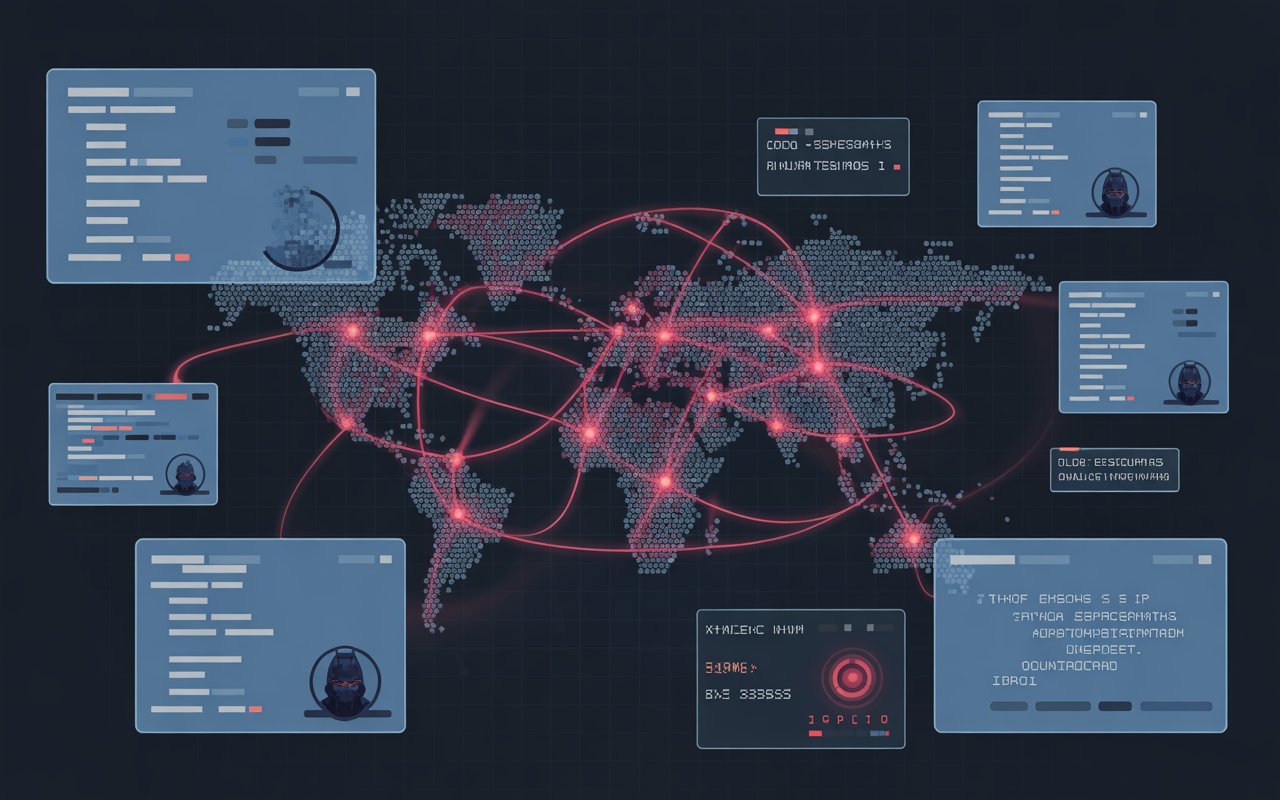
This case study examines a highly coordinated Advanced Persistent Threat (APT) campaign, breaking down attribution methodology, attacker TTPs, infrastructure layering, and the defense strategies organizations should adopt.
1. Overview of the Espionage Campaign
In late 2024, threat intelligence teams detected a series of coordinated intrusions targeting:
-
Government ministries
-
Defense contractors
-
Telecommunications providers
-
High-value research institutions
The campaign exhibited hallmarks of a long-term espionage operation, including stealthy persistence mechanisms, multi-phase infiltration, and the use of zero-day exploits. Early indicators suggested the involvement of a nation-state actor due to the resources, operational discipline, and infrastructure complexity observed.
2. Attribution Methodology
Attributing nation-state attacks requires evidence-based analysis, not assumptions. For this investigation, analysts integrated four primary attribution models:
2.1 Technical Indicators (IOCs & TTPs)
-
Rare malware families overlapping with previous APT clusters
-
Code similarities from historic campaigns
-
Shared C2 protocol behavior
-
Unique encryption patterns used only by select state-backed groups
2.2 Infrastructure Fingerprinting
-
Reused VPS providers previously associated with the suspected actor
-
Proxy chains originating from the same geographic regions
-
DNS patterns matching documented APT operations
2.3 Behavioral and Operational Patterns
-
Working hours aligned with the suspected nation’s standard time zone
-
Highly consistent operational tempo
-
Language artifacts found inside malware comments and decoys
2.4 Strategic Intent
-
Target selection aligned with regional geopolitical objectives
-
Intelligence value consistent with the nation’s long-term interests
Combined, these indicators strengthened the confidence level of attribution to a specific APT group known for cyber-espionage.
3. Breakdown of Attacker TTPs
The campaign followed a multi-layered kill chain designed to maintain stealth and maximize intelligence gathering.
3.1 Initial Access
-
Spear-phishing emails disguised as diplomatic communications
-
Exploitation of a zero-day vulnerability in a widely used VPN appliance
-
Watering-hole websites targeting foreign policy researchers
3.2 Execution & Lateral Movement
Attackers used:
-
Custom remote access trojans (RATs) with encrypted command channels
-
Credential scraping tools
-
Living-off-the-land binaries (LOLBins) to avoid detection
-
SMB beaconing to blend into normal network behavior
3.3 Persistence
-
Dormant scheduled tasks
-
Kernel-level rootkits
-
Signed malicious drivers
-
Reversed system logs to hide tracks
3.4 Exfiltration
-
Small batch data exfiltration using covert DNS tunneling
-
Encrypted payloads disguised as VoIP traffic
-
Cloud-based C2 relay servers
4. Infrastructure Analysis
The APT group used a multi-tiered infrastructure model built to evade attribution:
Tier 1 — Operational Proxies
-
Rotating IP pools
-
Fast-flux DNS
-
Disposable hosting accounts
Tier 2 — Relay Servers
-
Encrypted SSH tunnels
-
Proxy frameworks like Dante and Shadowsocks
-
Geopolitically neutral hosting regions
Tier 3 — Command & Control Backbone
-
Dedicated servers maintained for years
-
Custom-developed C2 dashboard
-
Hard-coded fallback channels
Infrastructure mapping revealed strong correlations to previous operations attributed to the same state-backed actor.
5. Strategic Motivations Behind the Campaign
The campaign’s targeting pattern suggested goals such as:
-
Gaining intelligence on defense capabilities
-
Monitoring government communication
-
Identifying vulnerabilities in telecom infrastructures
-
Harvesting data from R&D labs related to emerging technologies
These motivations aligned with the geopolitical ambitions of the attributed nation-state.
6. Defense Strategies and Recommendations
6.1 Threat Hunting Frameworks
Use MITRE ATT&CK mapping to proactively hunt for:
-
Abnormal lateral movement
-
Privilege escalation attempts
-
DNS anomalies
-
Long-term persistence artifacts
6.2 Zero Trust Architecture
Implement:
-
Micro-segmentation
-
Continuous identity verification
-
Least privilege enforcement
6.3 AI-Powered Detection
AI models can identify:
-
Behavioral anomalies
-
Uncommon traffic patterns
-
Indicators of stealthy persistence
6.4 Incident Response Preparedness
-
Regular tabletop exercises
-
Cross-department IR communication plans
-
Secure log retention
-
Rapid containment playbooks
6.5 Supply Chain Security
Since APTs often enter through trusted vendors, ensure:
-
Third-party audits
-
Continuous monitoring of vendor access
-
Software integrity validation
7. Conclusion
Nation-state espionage campaigns are becoming more advanced, persistent, and difficult to attribute. By combining behavioral analytics, infrastructure fingerprinting, and threat intelligence correlation, defenders can improve attribution accuracy and strengthen resilience.
This case study highlights the importance of blending technical evidence with strategic context — a critical capability for modern cybersecurity teams.
#APT #NationStateThreats #ThreatAttribution #AdvancedThreats #CyberEspionage