

Want educational insights in your inbox? Sign up for our weekly newsletters to get only what matters to your organization. Subscribe Now
Introduction
The Internet of Things (IoT) has transformed the way we live and work. From smart homes and wearable devices to industrial sensors and healthcare monitors, IoT ecosystems connect billions of devices worldwide. But this hyperconnectivity comes with an equally large surface area for cyber threats.
Traditional security methods — focused on signature-based detection or perimeter defense — are no longer enough. That’s where AI-enhanced behavioral analysis comes in, offering intelligent, adaptive protection for connected devices.
The Rising Threat Landscape in IoT
IoT devices often lack strong security protocols, making them prime targets for attackers.
Common vulnerabilities include:
-
Weak or default passwords
-
Unpatched firmware
-
Unencrypted communication
-
Limited endpoint visibility
Cybercriminals exploit these weaknesses to launch botnet attacks, data breaches, and unauthorized access to networks. In such an environment, real-time, adaptive threat detection has become essential.
How AI Strengthens IoT Security
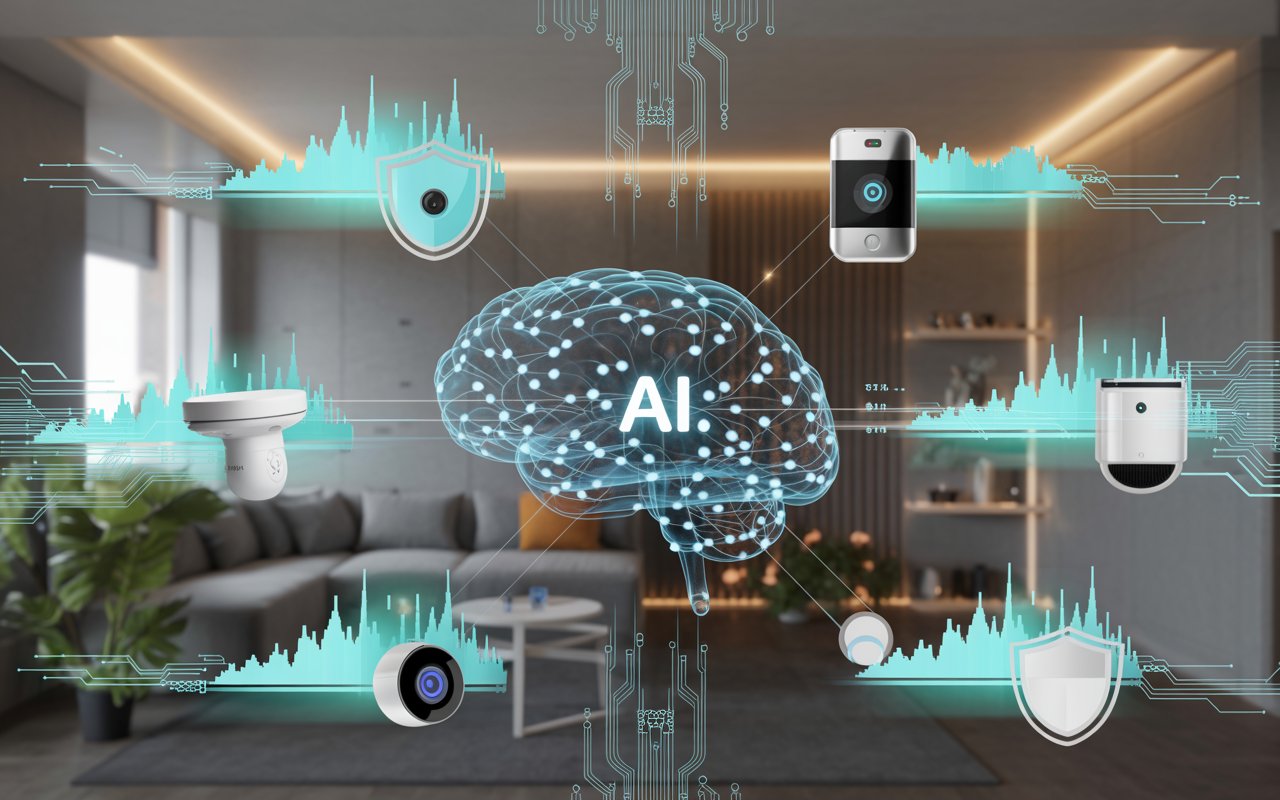
Artificial Intelligence (AI) brings a proactive approach to IoT protection by learning normal device behavior and identifying deviations that may signal an attack.
Key advantages include:
-
Behavioral Baselines – AI systems monitor network traffic, access patterns, and device communication to create a “normal” behavioral profile.
-
Anomaly Detection – When a device acts outside its typical pattern — for example, sending data at unusual times or connecting to unknown IPs — AI instantly flags the behavior.
-
Continuous Learning – AI models adapt as device usage evolves, reducing false positives and increasing detection accuracy over time.
-
Automated Response – AI-driven platforms can automatically isolate compromised devices or block suspicious activity before it spreads.
Behavioral Analysis: The Heart of Intelligent Defense
Behavioral analysis goes beyond static rule-based systems. Instead of asking “Is this known malware?”, it asks “Is this behavior normal?”
This shift from signature detection to behavioral intelligence allows organizations to:
-
Detect zero-day attacks that lack known signatures.
-
Identify insider threats or compromised accounts.
-
Monitor device-to-device communication for hidden threats.
By mapping patterns of activity across networks, AI creates an evolving understanding of what “safe” looks like — and responds dynamically when that safety is breached.
Practical Applications Across Industries
AI-enhanced IoT security has far-reaching impact across multiple sectors:
-
Healthcare: Protecting medical IoT devices from ransomware and unauthorized data access.
-
Manufacturing: Monitoring connected sensors and robots for performance anomalies.
-
Smart Cities: Securing traffic systems, utilities, and public Wi-Fi networks.
-
Retail & Logistics: Detecting irregular activity in connected POS systems or supply chain devices.
Each application relies on behavioral insights to maintain system integrity and data confidentiality.
Challenges and Ethical Considerations
While AI adds intelligence to IoT defense, it also raises challenges:
-
Data Privacy: Continuous monitoring can expose sensitive information if not managed securely.
-
Model Bias: AI systems can misinterpret rare but legitimate behavior as threats.
-
Scalability: Managing data from millions of devices requires robust infrastructure.
Addressing these challenges demands a balance between security, transparency, and responsible AI governance.
The Future of IoT Security
As IoT adoption grows, AI-driven behavioral analysis will play a central role in future cybersecurity frameworks.
By enabling real-time visibility, autonomous response, and predictive analytics, AI transforms IoT defense from reactive to preventive — ensuring connected devices stay secure in an increasingly intelligent world.
Conclusion
AI-enhanced behavioral analysis is redefining how we protect IoT ecosystems. It doesn’t just detect threats — it understands behavior.
For organizations, this means greater visibility, faster response, and stronger resilience against evolving cyber risks.
The future of IoT security will belong to those who combine AI intelligence with proactive defense strategies — ensuring that innovation remains safe, connected, and secure.
References
-
IBM Security. (2024). The Future of IoT Security: Leveraging AI for Smarter Threat Detection.
-
Palo Alto Networks. (2023). Securing the Internet of Things with AI and Machine Learning.
-
McKinsey & Company. (2024). How Artificial Intelligence is Reinventing Cybersecurity.
-
Cisco. (2023). IoT Security: Protecting Your Connected Ecosystem.
-
IEEE Internet of Things Journal. (2024). Behavioral Analytics for IoT Device Protection.
-
Gartner Research. (2024). AI-Driven Security: Emerging Trends and Best Practices for IoT Protection.
-
ENISA (European Union Agency for Cybersecurity). (2023). Good Practices for Security of Internet of Things.
#IoTSecurity #AIIoT #BehavioralAnalytics #ConnectedDevices #SmartDeviceSecurity